
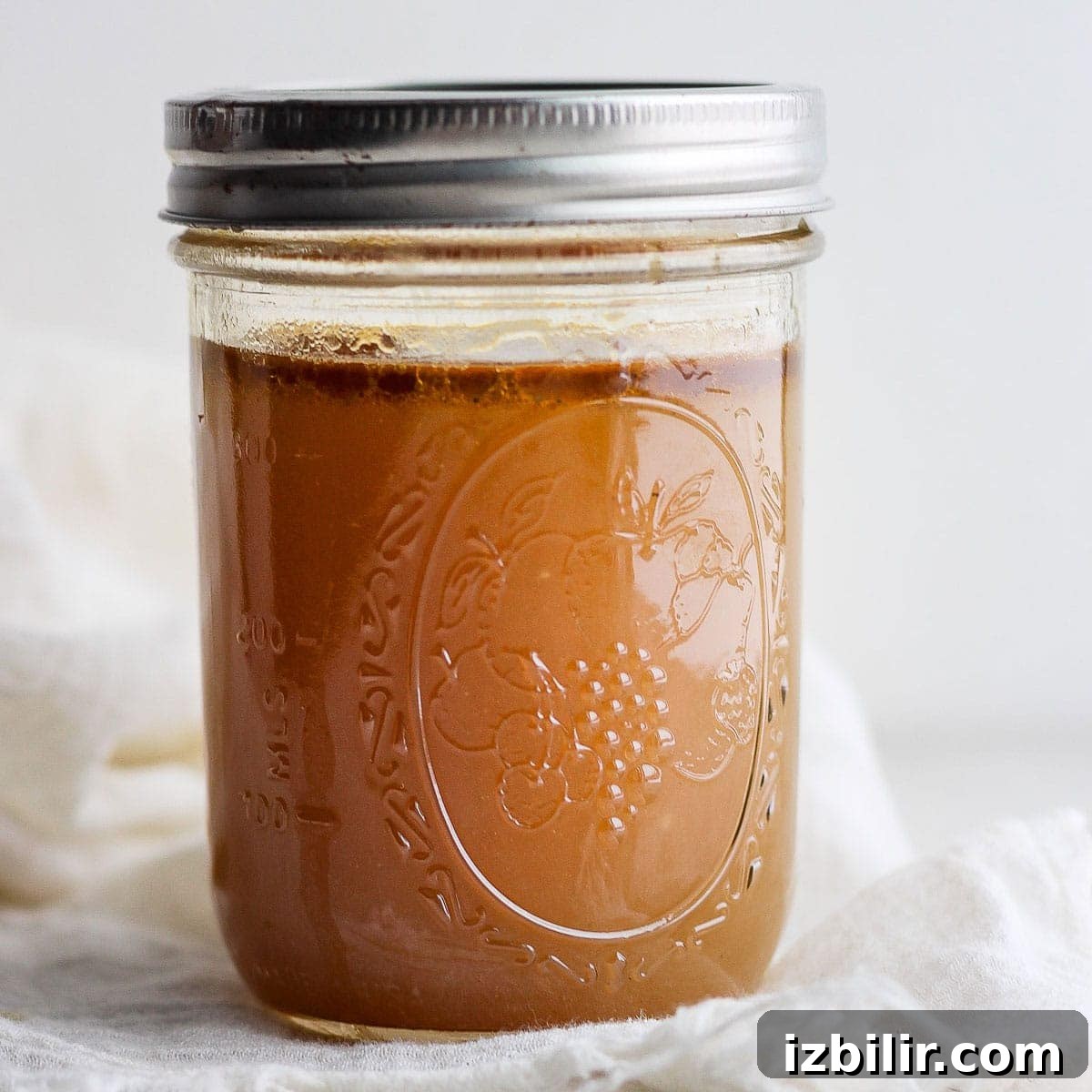
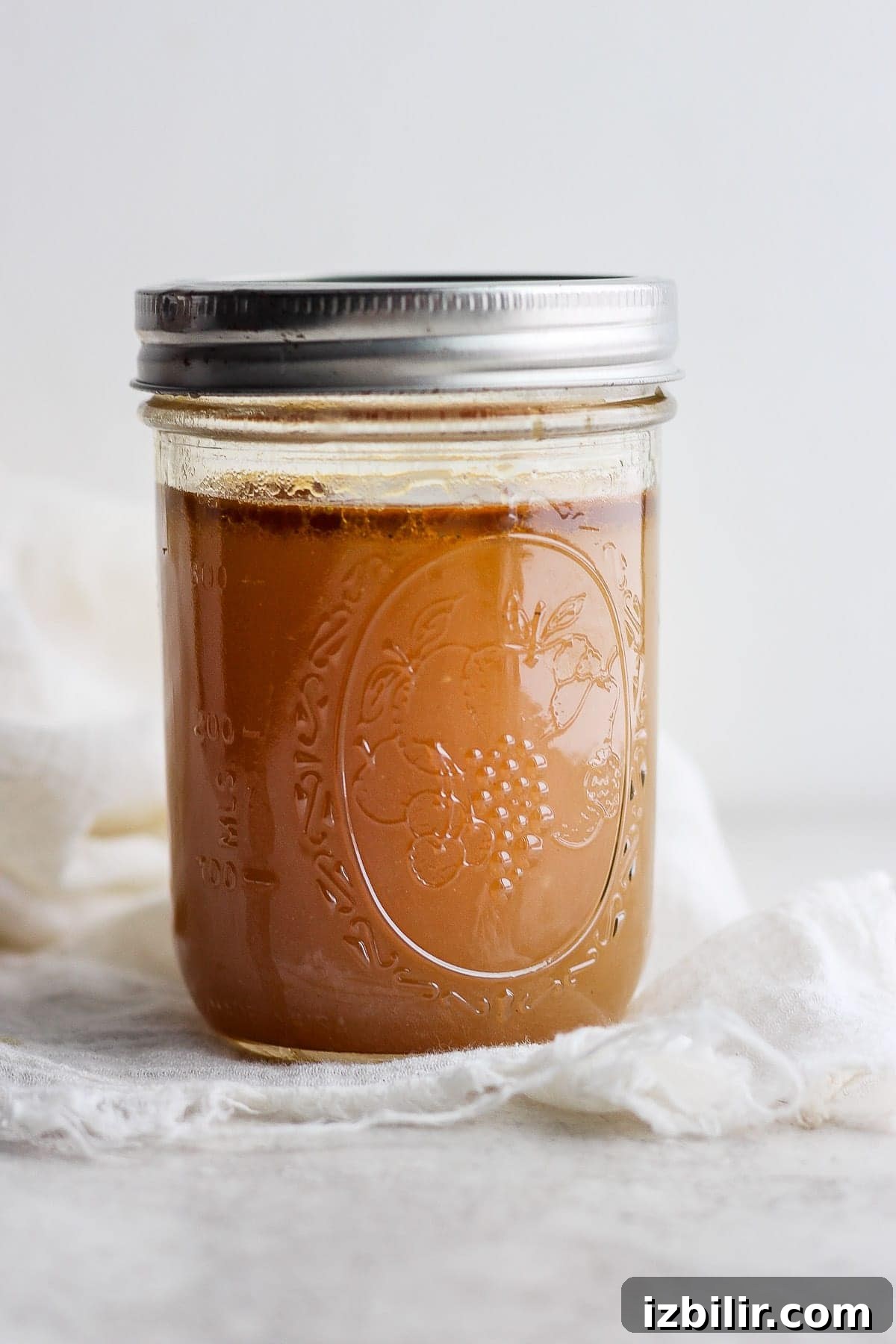
Make this homemade chicken broth and use it in your favorite soups, chilis, sauces, and one‑pot meals. Simmer leftover vegetables and a chicken carcass to extract deep, savory flavor. The process is simple and forgiving: use what you have, simmer low and slow, strain, and store for future use.
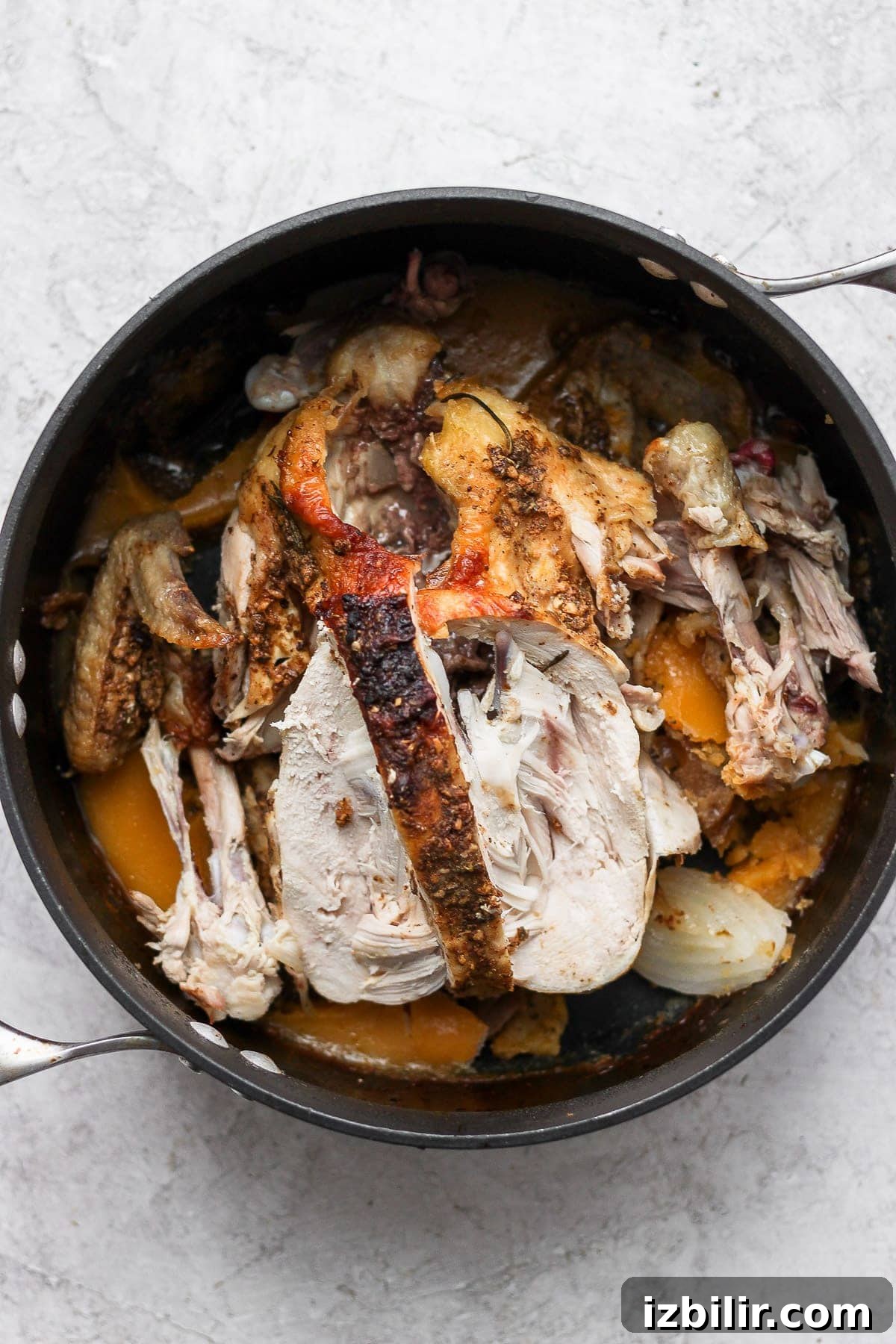
This broth was inspired by a kitchen day when we saved every useful scrap. When you roast or prepare a whole chicken, bones, skin, and vegetable pieces often remain. Saving those bits and turning them into broth reduces waste and yields an intensely flavored base for countless recipes.
What you need to make chicken broth
You only need a handful of ingredients to make excellent chicken broth: a chicken carcass or leftover chicken pieces, aromatic vegetables (or saved scraps), fresh or dried herbs, salt, and water. Below are recommended components and notes on selecting and saving scraps.
- Chicken carcass or leftover chicken: Use the bones, skin, and any meat scraps from a roasted or raw whole chicken. Roasted carcasses add extra depth from browned bits and seasoning.
- Salt: Salt is essential for flavor. Start with a moderate amount and adjust toward the end. If you prefer lower sodium, reduce the salt and season to taste when using the broth.
- Vegetables and scraps: A basic mirepoix—onion, carrot, and celery—forms the backbone of many broths. Add sweet red bell pepper or other scraps for nuance. Common scraps to save include garlic skins, onion peels, pepper cores, carrot ends, and any rinds or skins from vegetables.
- Herbs and seasonings: Fresh parsley, thyme, and rosemary work beautifully. You can also add a small pinch of dried oregano, basil, or a favorite spice blend for variation.
- Water: Enough to cover the bones and vegetables in your cooking pot—typically several cups depending on batch size.
Swaps & variations
- If you don’t have a whole chicken carcass, use any leftover chicken pieces or even a store rotisserie chicken—bones and skin yield the best body.
- For an Asian‑inspired broth, add a few slices of fresh ginger and a stalk of lemongrass. For more Mediterranean notes, include bay leaves and a little dried oregano or basil.
- Keep a freezer bag for vegetable scraps. Collect peels, ends, and cores in the freezer until you have enough to make a batch of broth.
Chicken stock vs. broth
The terms stock and broth are often used interchangeably, but they differ slightly. Stock is usually made primarily from bones and is simmered longer to extract collagen and gelatin. Broth uses meat and bones, includes seasoning, and can have a shorter simmer time. Both are delicious—choose based on the texture and intensity you prefer.
How to make chicken broth
Below is a clear, step‑by‑step recipe adapted for home cooks. The method is forgiving—adjust quantities to match what you have and taste as you go.
Ingredients
- Leftover bones, meat, skin, and juices from a raw or cooked whole chicken
- 1 head garlic, with paper and peels, roughly chopped
- 1 large yellow onion, chopped
- 3 medium celery stalks, chopped
- 3 medium carrots, chopped
- 1 large red pepper, stem and seeds included, chopped
- 1–2 cups vegetable scraps (onion peels, carrot ends, pepper cores, etc.)
- 2 teaspoons salt, or more to taste
- 1 teaspoon ground black pepper
- 6 cups water (adjust to cover ingredients)
- 1 bunch fresh parsley
- 5–7 sprigs thyme or rosemary
Instructions
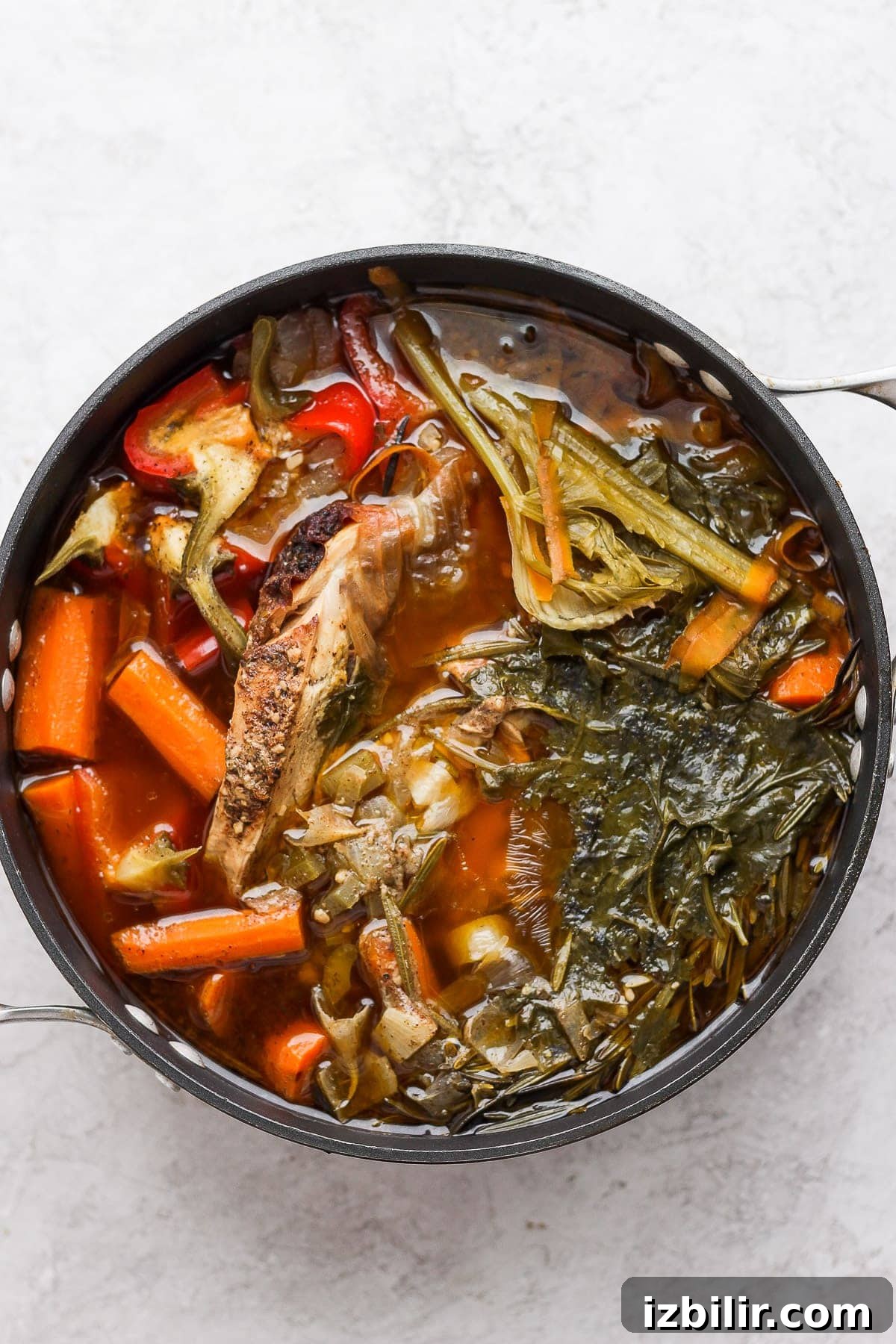
- Place the chicken carcass, skin, any meat scraps, and juices into a large Dutch oven or heavy pot.
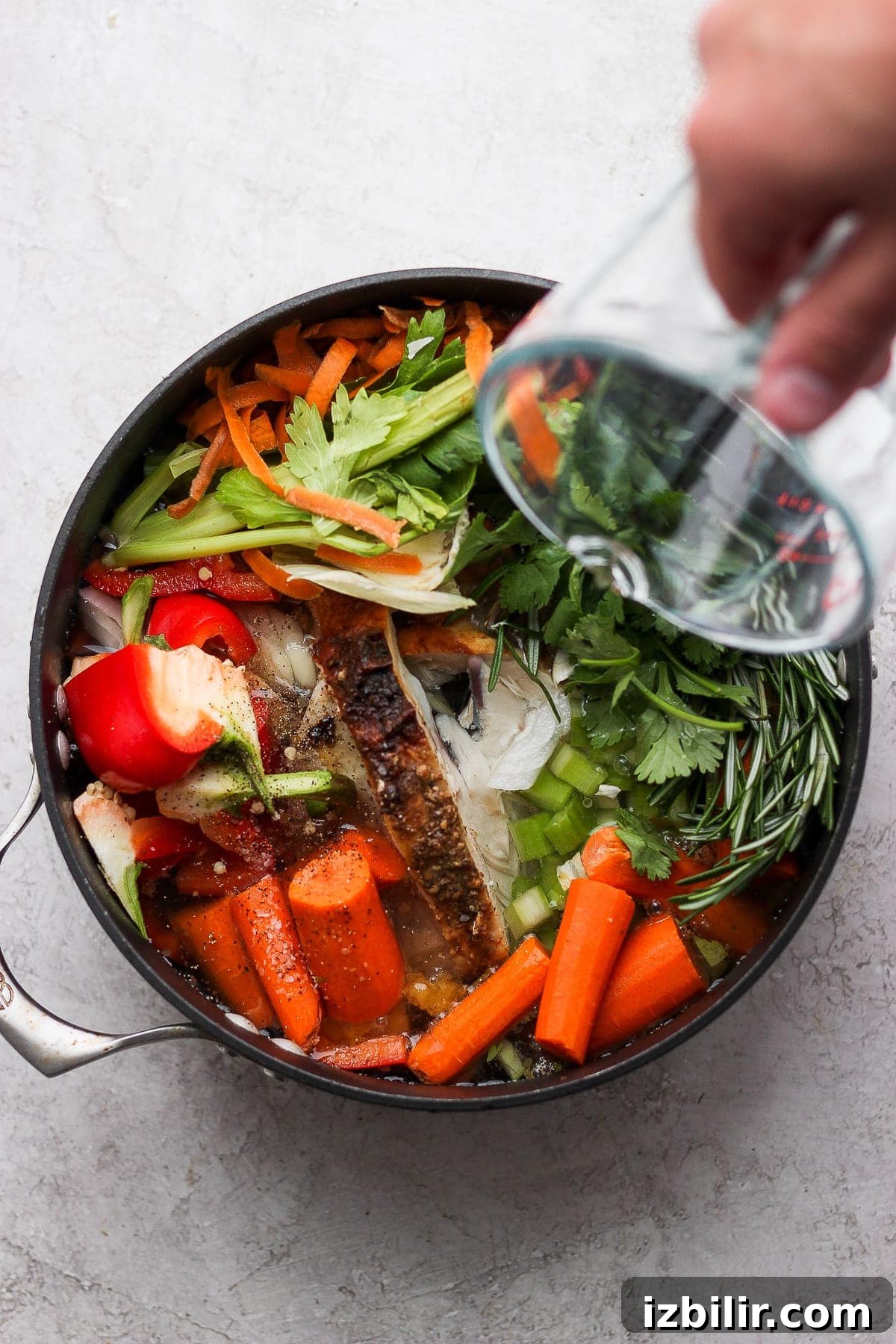
- Add the garlic, onion, celery, carrots, red pepper, and any collected vegetable scraps. Toss in the parsley and thyme or rosemary.
- Pour in enough water to cover everything—about 6 cups for a modest batch. Add salt and pepper.
- Heat over high heat until the mixture comes to a rolling boil, then immediately reduce heat to low so the broth simmers gently.
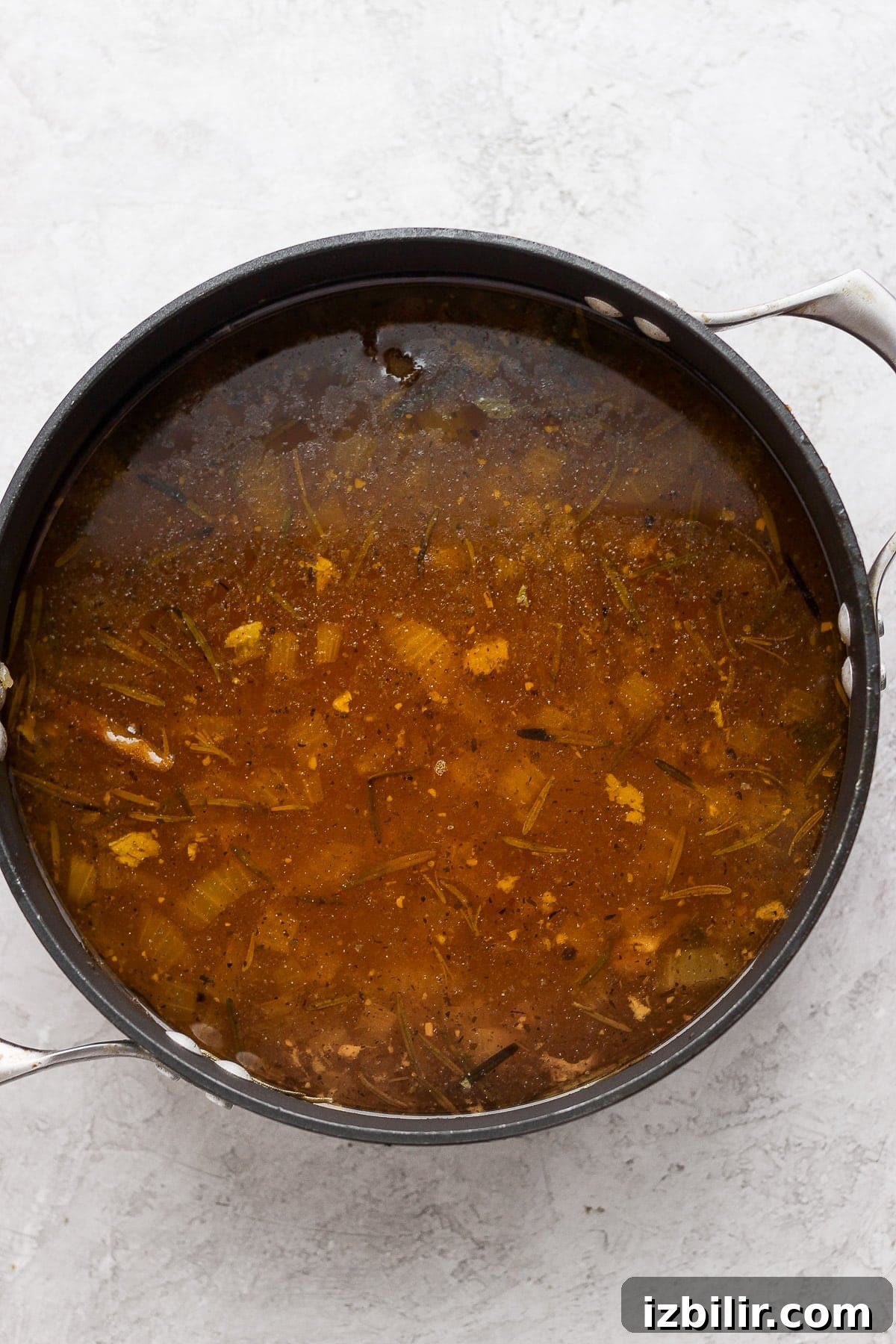
- Simmer uncovered for 4–6 hours, or longer if you prefer a richer flavor. Check every 1½ hours and skim off any foam or excess fat that rises to the surface.
- When the broth reaches the depth of flavor you like, remove from heat. Use tongs or a slotted spoon to discard large vegetable chunks and the carcass.
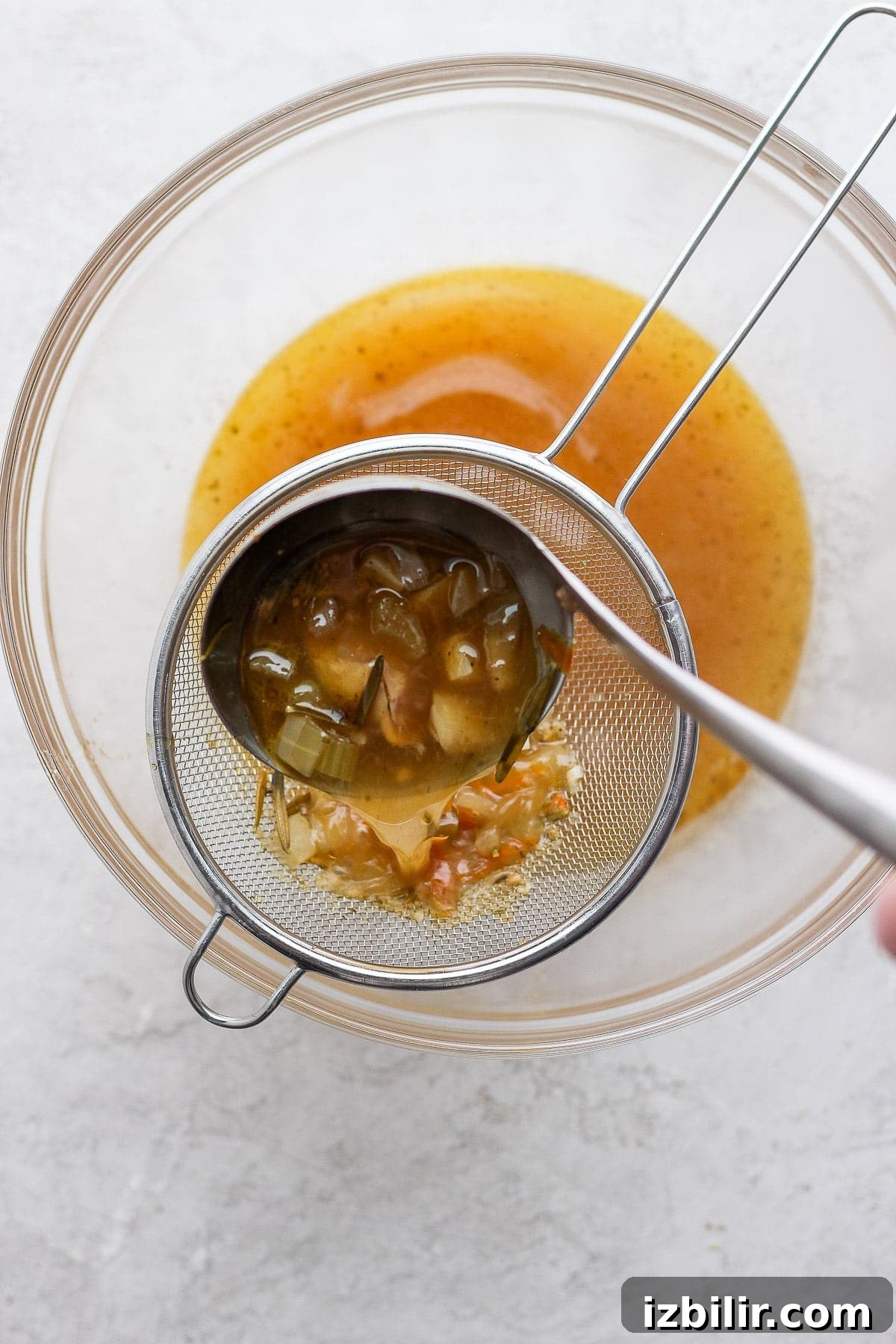
- Strain the broth through a fine‑mesh sieve or cheesecloth into a large bowl or jar. Discard any solids left in the strainer.
- Cool completely before transferring to airtight containers. Refrigerate or freeze according to the storage notes below.
Storage
Allow the broth to cool fully, then pour into sealed jars or freezer containers. Store in the refrigerator for up to 7–10 days, or freeze for up to 3 months. Freeze in portions that match how you typically use broth—ice cube trays, 1‑cup containers, or quart‑sized bags are convenient options.

How to use homemade chicken broth
Use this broth as the base for soups, chilis, stews, risottos, and sauces. It enhances flavor in classic minestrone, chicken noodle soup, grain cooking, and many one‑pot meals. Since the broth is already seasoned, adjust additional salt in recipes carefully.
Nutrition
The following nutrition values are approximations and will vary by ingredients and batch size.
- Calories: 221 kcal
- Carbohydrates: 6 g
- Protein: 25 g
- Fat: 13 g
- Fiber: 2 g
- Sugar: 2 g
Nutrition information is automatically calculated and should be used only as an estimate.
Tips & final notes
- Collect vegetable scraps in a freezer bag to build a supply for future batches—onion peels, carrot ends, and herb stems all add flavor.
- Skimming fat regularly keeps the broth clear and reduces greasiness; you can also chill the broth and remove the solid fat layer before reheating.
- For a deeper, roastier flavor, roast the bones and vegetables in a hot oven until browned before simmering.
- Label frozen containers with the date and portion size for easy meal planning.
If you make this broth, share your results with the hashtag #fitfoodiefinds—we love seeing how you use homemade stock in your cooking!