
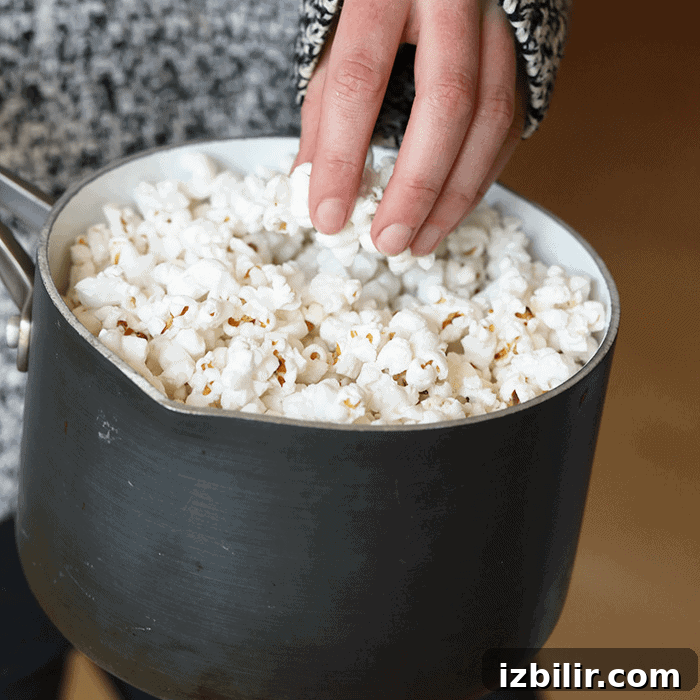
Make snack time effortless tonight with this simple stovetop popcorn guide. In under 10 minutes you can have light, airy popcorn—perfect for movie nights, an afternoon snack, or a healthy treat any time.
The BEST Stovetop Popcorn
Stovetop popcorn may seem intimidating if you’ve never tried it, but it’s actually fast and forgiving. With a little attention to heat and a few simple steps, you’ll get full, fluffy kernels without burning the pot or getting half the batch unpopped. This guide gives you a reliable method so you can enjoy perfectly popped homemade popcorn every time.
Ingredients You Need
Gather these basic pantry items before you start:
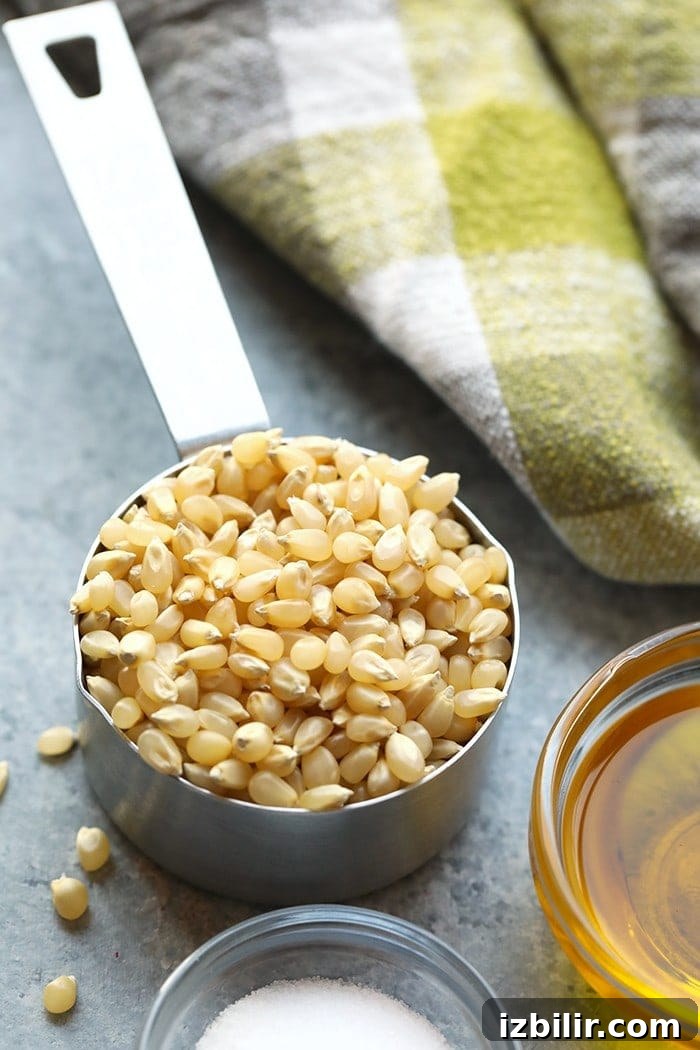
- Popcorn kernels: any unpopped kernels will work. Buying in bulk is economical and keeps the pantry stocked.
- High-heat oil: choose a neutral oil that tolerates medium-high heat, such as olive oil or avocado oil.
- Sea salt: for seasoning. Adjust to taste.
- Medium to large pot with a lid: use a pot large enough to allow for the popcorn to expand—at least 2.5 quarts is recommended for small batches.
What Kind of Popcorn Kernels to Buy
The two most common types of kernels are yellow and white. Both pop well and can be used interchangeably in this method. If you prefer a particular texture or flavor, try small test batches to see which you like best. Bulk kernels work well and tend to be more cost-effective.
Best Oil for Stovetop Popcorn
Olive oil and avocado oil are excellent choices because they have a mild flavor and hold up at medium-high heat. That said, you can skip oil entirely if you prefer an oil-free approach—some people heat a dry pot and rely on the kernels’ own moisture to pop. Oil helps the kernels pop more evenly and adds a light coating for seasonings to stick.
Best Pot for Stovetop Popcorn
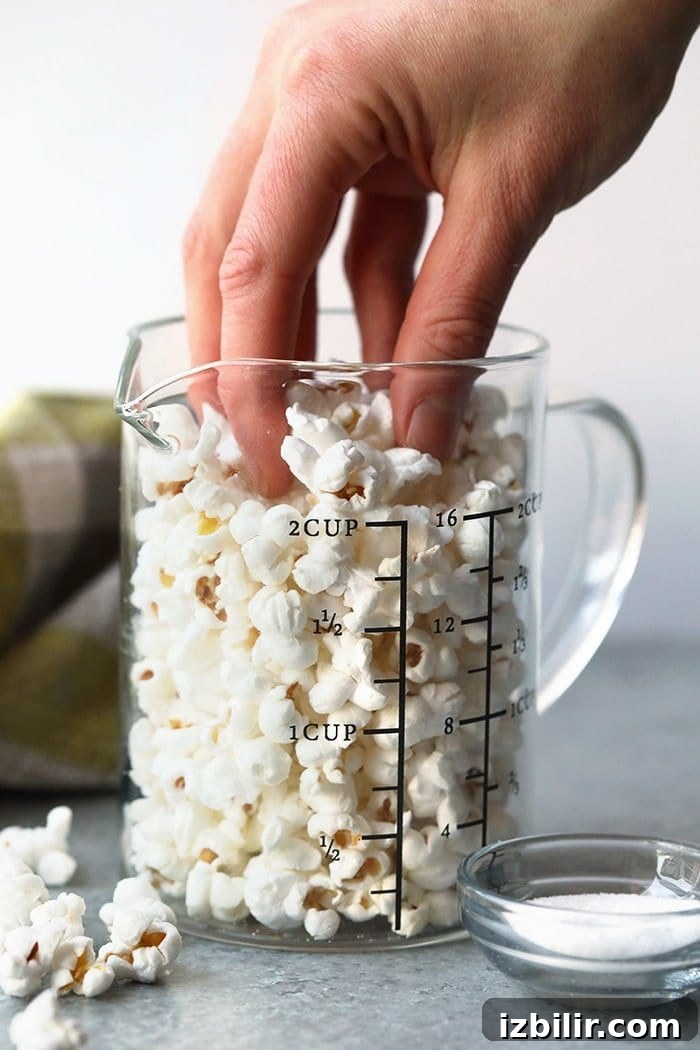
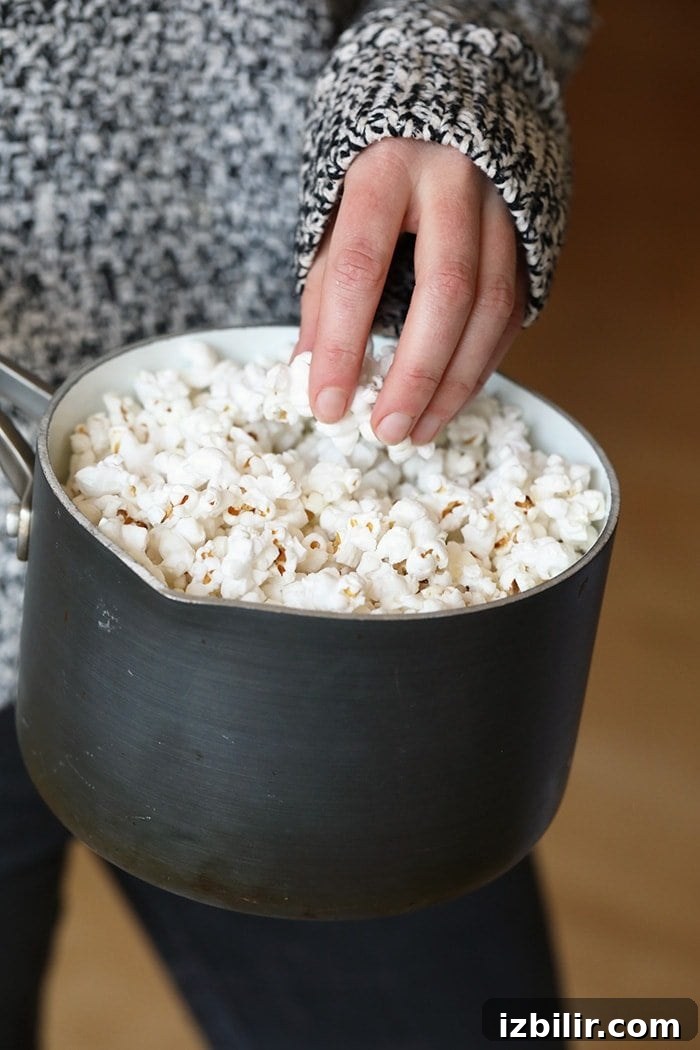
A medium to large pot with a tight-fitting lid is ideal. Two tablespoons of kernels makes roughly 5 cups of popped popcorn, while 1/4 cup (the amount used in the recipe below) yields about 10 cups. Choose a nonstick or heavy-bottomed pot if you’re worried about sticking, and always make sure the lid fits securely so the steam circulates and the popcorn pops properly.
How to Make Popcorn on the Stove
This method is straightforward and takes about 10 minutes from start to finish.
Heat the oil
Place a medium-to-large pot over medium-high heat. Pour in about 1/2 tablespoon of oil and swirl to coat the bottom evenly.
Test with a couple of kernels
Add two or three kernels to the pot and cover. Shake the pot occasionally as the oil warms. When those test kernels pop, the oil is hot enough for the rest.
Add the remaining kernels
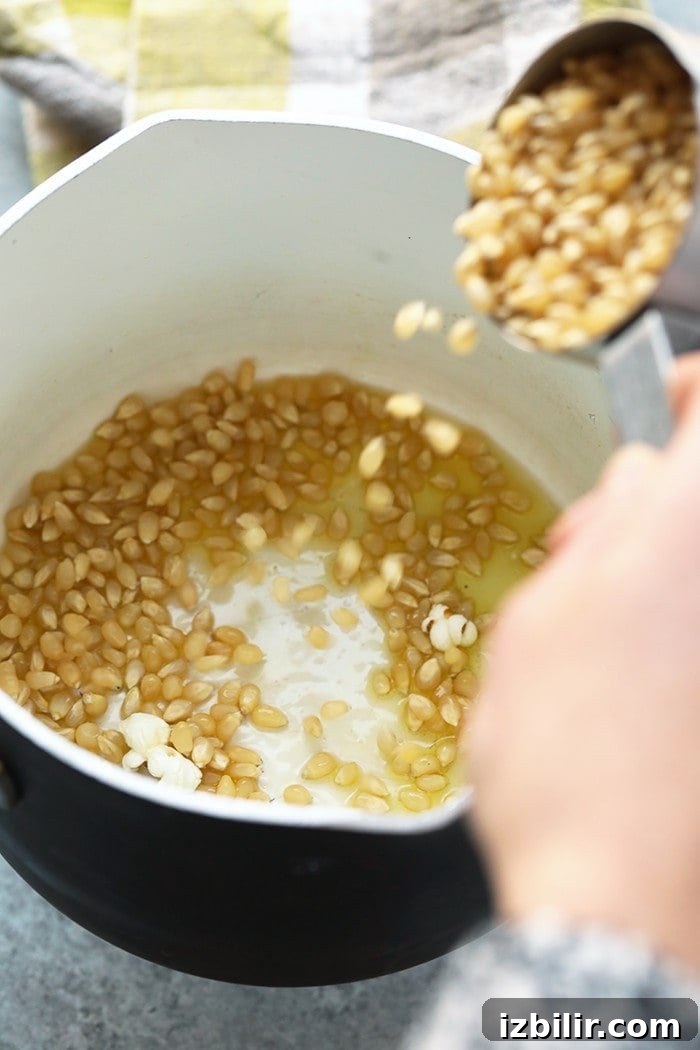
Pour in the remaining kernels (about 1/4 cup for this recipe) and a pinch of salt. Cover and gently shake the pot so the kernels are evenly coated and to prevent burning.
Shake as they pop
Shake the pot every 15–20 seconds while the popcorn pops. This keeps the kernels moving and prevents scorch marks on the bottom. When popping slows to about one pop every three seconds, remove the pot from the heat and uncover—your popcorn is done.
Stovetop Popcorn FAQs
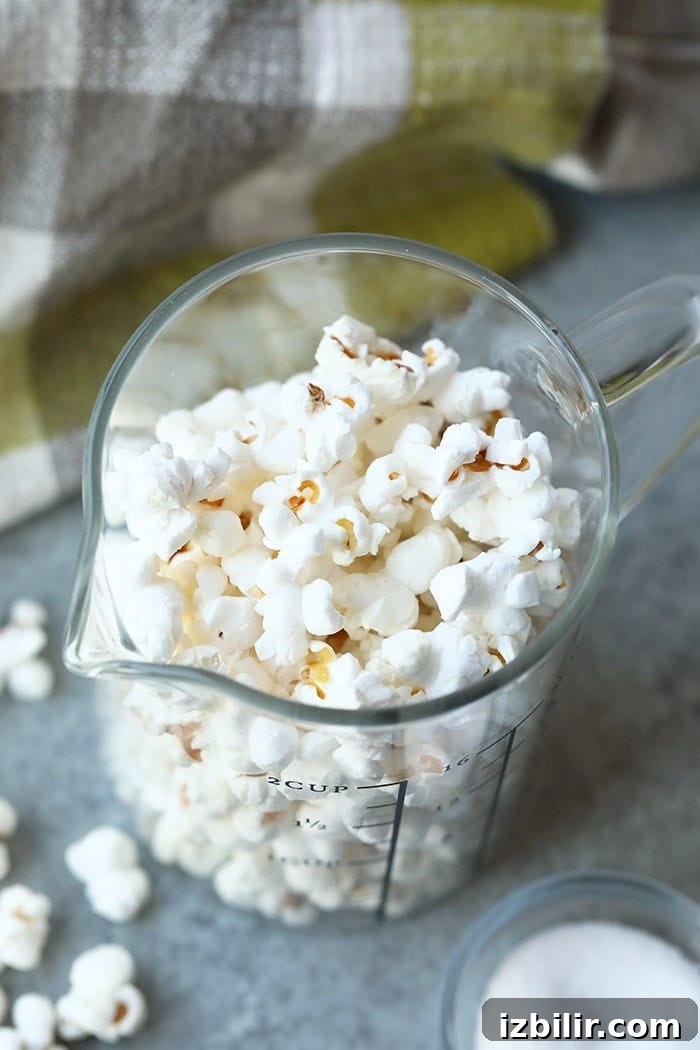
Two tablespoons of unpopped kernels yield roughly 5 cups of popped popcorn.
Is popcorn healthy?
Popcorn is a whole-grain snack that can be low in fat and calories when prepared at home without excess oil or butter. It also provides fiber and can be a satisfying, nutritious snack.
Is popcorn gluten free?
Plain popcorn is naturally gluten free. If you have celiac disease or a severe allergy, choose a product that is certified gluten free to avoid cross-contamination.
What are the nutrition benefits?
Homemade popcorn provides whole grains, dietary fiber, and some protein. The exact nutrition depends on portion size and added fats or seasonings.
Popcorn Seasonings to Try
Plain salted popcorn is classic, but you can experiment with many seasoning blends. Try sweet or savory mixes such as:
- Warm chai-style spice (cinnamon, cardamom, ginger)
- Everything bagel seasoning (sesame, poppy seeds, garlic, onion)
- Simple taco-style seasoning (chili powder, cumin, paprika)
- Grated Parmesan with garlic powder for a savory twist
More Popcorn Ideas
If you enjoy making popcorn at home, try mixing up snack blends: churro-flavored popcorn with cinnamon sugar, a salty-parmesan and garlic version, peanut butter and dark chocolate clusters for a treat, or a ranch-flavored savory mix. Popcorn is versatile and takes well to coatings and add-ins.
Recipe: Stovetop Popcorn
Ingredients
- 1/4 cup popcorn kernels
- 1/2 tablespoon olive oil (or avocado oil), optional
- Salt, to taste
Instructions
- Pour the oil into the bottom of a medium to large pot (at least 2.5 quarts). Heat over medium-high heat.
- Place two unpopped kernels in the oil and cover. Shake the pot occasionally until those kernels pop.
- Add the remaining kernels and a pinch of salt. Cover and shake the pot so kernels are coated and spread evenly.
- Continue to shake the pot every 20 seconds or so while the kernels pop. When popping slows to about one pop every three seconds, remove from heat.
- Pour into a bowl and add more salt or your favorite seasonings. Serve immediately.
Nutrition (approximate per serving)
Calories: 170 kcal • Carbohydrates: 26 g • Protein: 4 g • Fat: 8 g • Fiber: 7 g • Sugar: 0 g
Nutrition values are estimates and should be used as a guideline.
If you try this method, leave a comment below to share your favorite seasonings or any tips you discovered. Enjoy your fresh, homemade stovetop popcorn!