
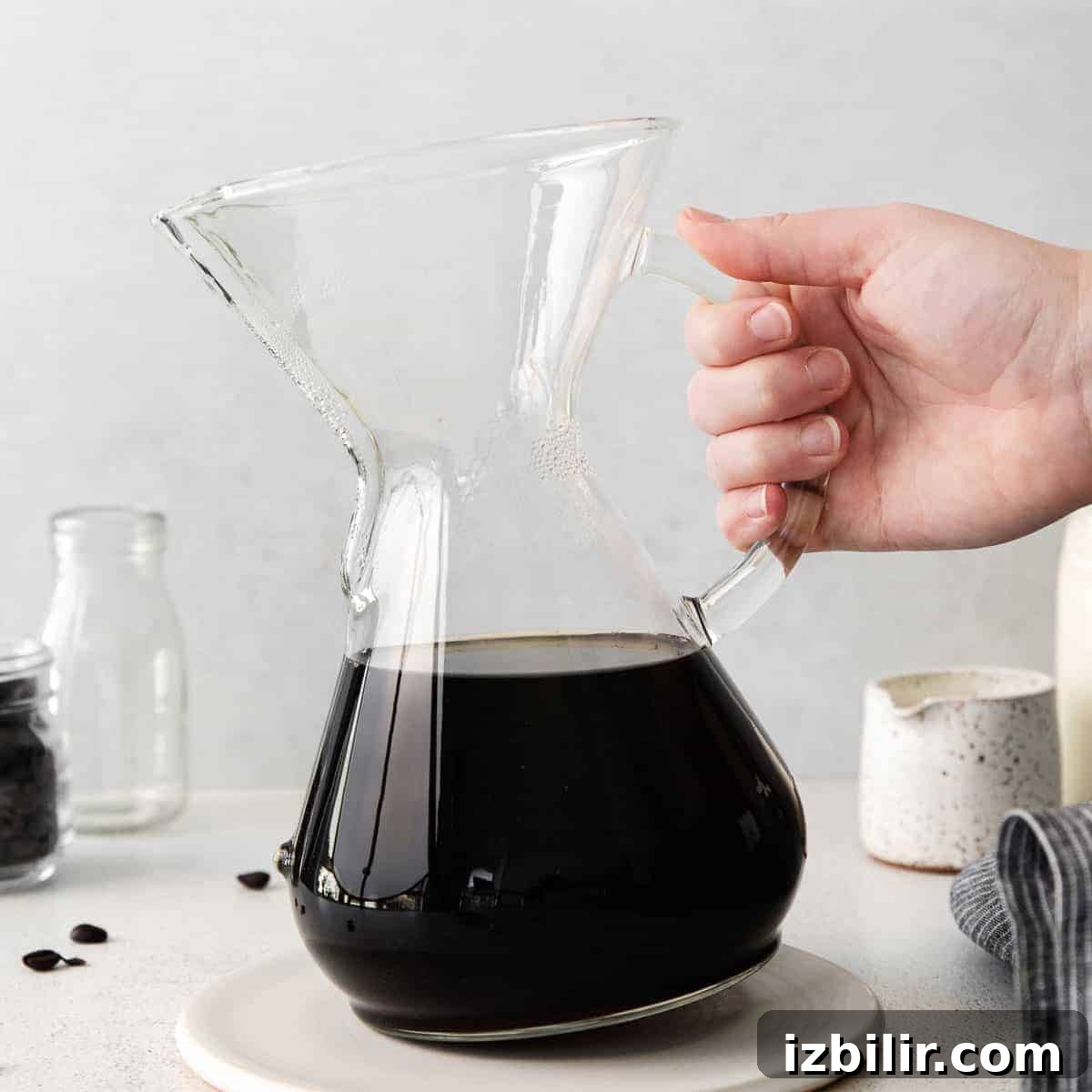
Pour-over coffee is one of the finest ways to start the day. This guide walks you through using a Chemex and covers everything from tools and bean selection to the exact ratio and step-by-step brewing instructions so you can brew a consistently delicious cup at home.
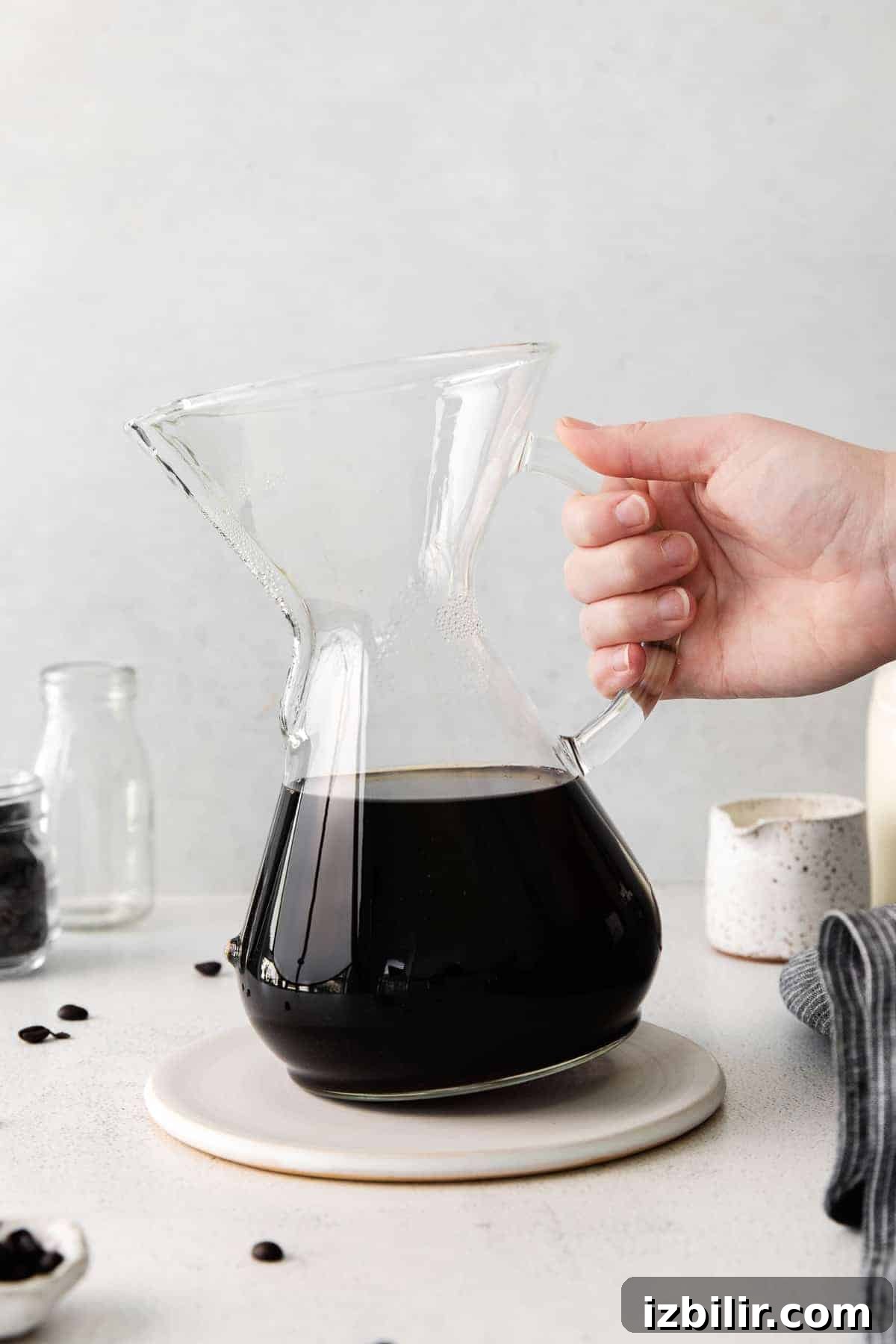
If you prefer a bold, clean cup in the morning, pour-over brewing is an excellent choice. It emphasizes clarity of flavor and control—so you can highlight single-origin notes or balance a blend to your liking. Below is a clear, practical tutorial for brewing with a Chemex, but these techniques apply to most pour-over devices.
What is pour-over coffee?
Pour-over coffee is a manual brewing method where hot water is poured over freshly ground coffee held in a filter. The water passes through the grounds and extracts flavor into a carafe or cup. The process gives you direct control over grind size, water temperature, pour speed, and extraction time.
Why pour-over coffee is an excellent brewing method
Pour-over brewing is prized for its precision. Measuring both coffee and water with a scale allows you to reproduce the same flavor profile every time. Because the water contacts the grounds for a controlled period and drains through a filter, the cup is typically clean, bright, and highly nuanced.
Tools needed for pour-over coffee
Pour-over brewer: Many pour-over devices are available. The Chemex is a popular choice for its elegant design and thick filter, which yields a clean cup. You can use other drippers as well—Hario, Bodum, and similar models all work.
Filter: Paper filters give the cleanest cup and remove most oils; reusable metal or cloth filters produce a fuller body. Choose based on taste preferences and sustainability goals.
Electric kettle: A kettle with temperature control is ideal for accuracy. If you don’t have one, bring water to a boil and let it rest about 30–60 seconds to approach the optimal brewing temperature.
Coffee beans: Use freshly roasted, quality beans. Single-origin beans highlight distinct flavors; blends can offer balance.
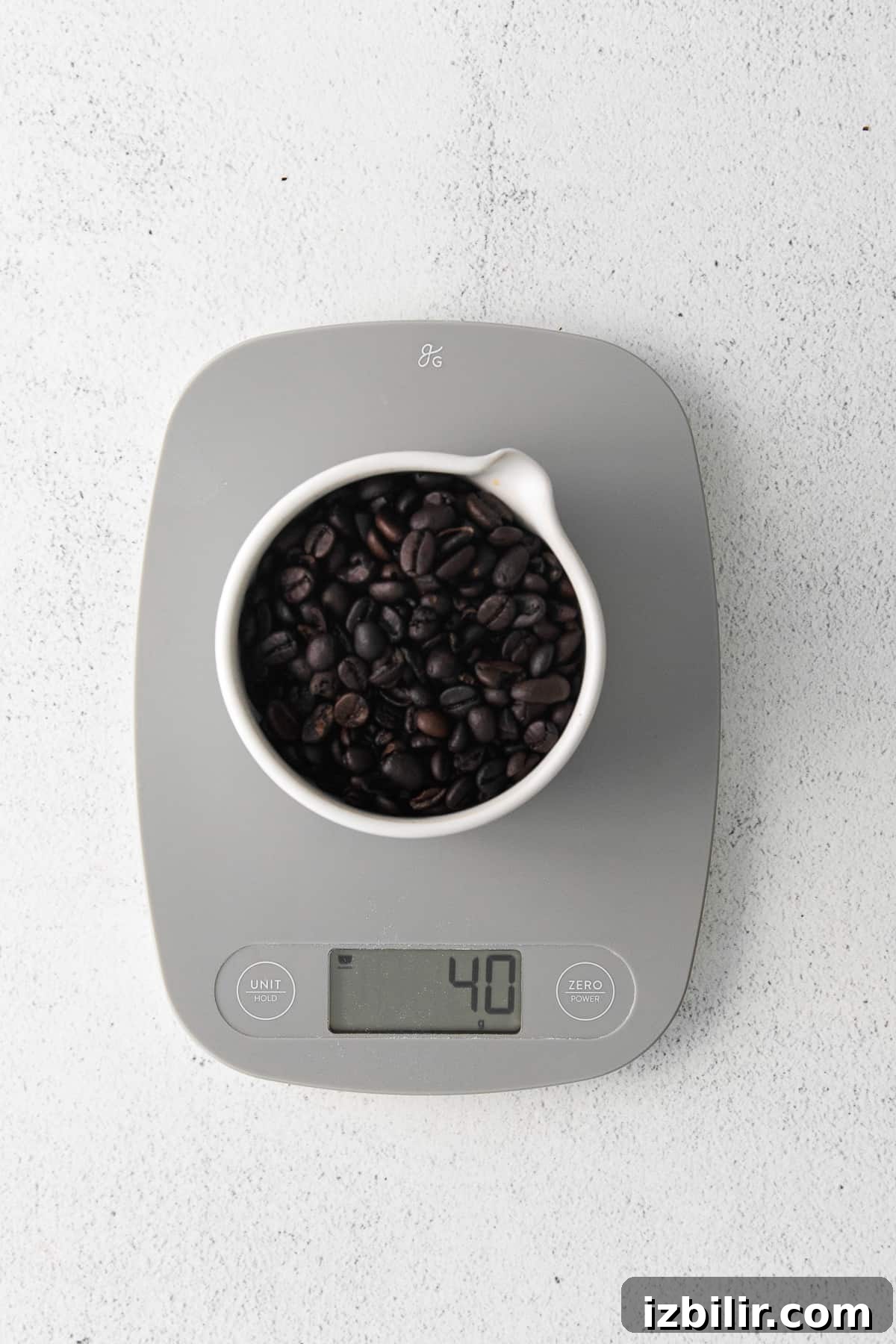
Food scale: Weighing coffee and water is the simplest way to achieve consistent results.
Best pour-over brewers
There are many high-quality pour-over brewers; the Chemex is favored by many for producing a bright, clean cup and for its generous capacity. Other well-regarded options include drippers from Hario, Bodum, Cosori, and Grosche.
What’s the difference between a Chemex and a generic pour-over dripper?
A Chemex is a specific style of pour-over brewer that uses thicker paper filters and a visually distinctive glass carafe. Functionally, it is a type of pour-over device, so the brewing principles are the same: control of grind, water, and time.
Best beans for pour-over coffee
For clarity and complexity, many home brewers choose freshly roasted single-origin beans. That said, a well-roasted blend can also produce an excellent cup. Grind right before brewing to preserve aroma and flavor.
Local favorites and examples
Support local roasters when possible. Different roasts and origins will yield different characteristics—fruit-forward, chocolatey, nutty, or floral—so experiment to find what you like.
Pour-over coffee ratio
Common coffee-to-water ratios guide how strong your brew will be. The ratio below is a reliable starting point:
- Weaker: 1 g coffee : 17 mL water
- Medium: 1 g coffee : 16 mL water
- Strong: 1 g coffee : 15 mL water (recommended if you enjoy a bold cup)
We recommend 1:15 for a strong, full-bodied cup. Always weigh whole beans (not ground coffee) for the most accurate measurement.
Quick instructions
These concise steps summarize the full recipe that follows. Read the detailed instructions before brewing for best results.
- Heat water to ~200ºF: Use a temperature-controlled kettle or let boiling water rest briefly.
- Measure beans: Weigh 40 g of whole beans for two servings at a 1:15 ratio (600 mL water).
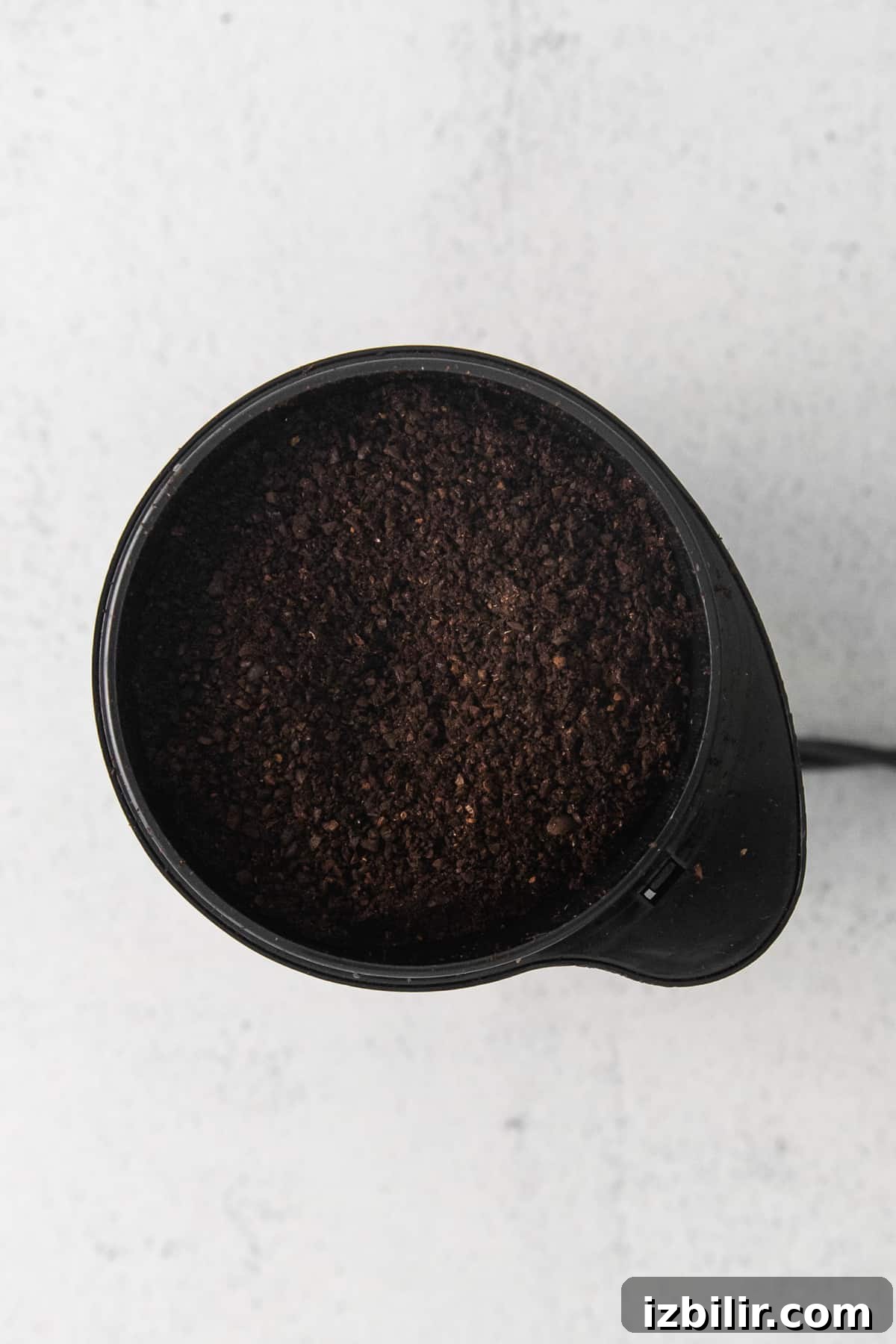
- Grind: Grind to medium-coarse—similar to panko breadcrumbs.
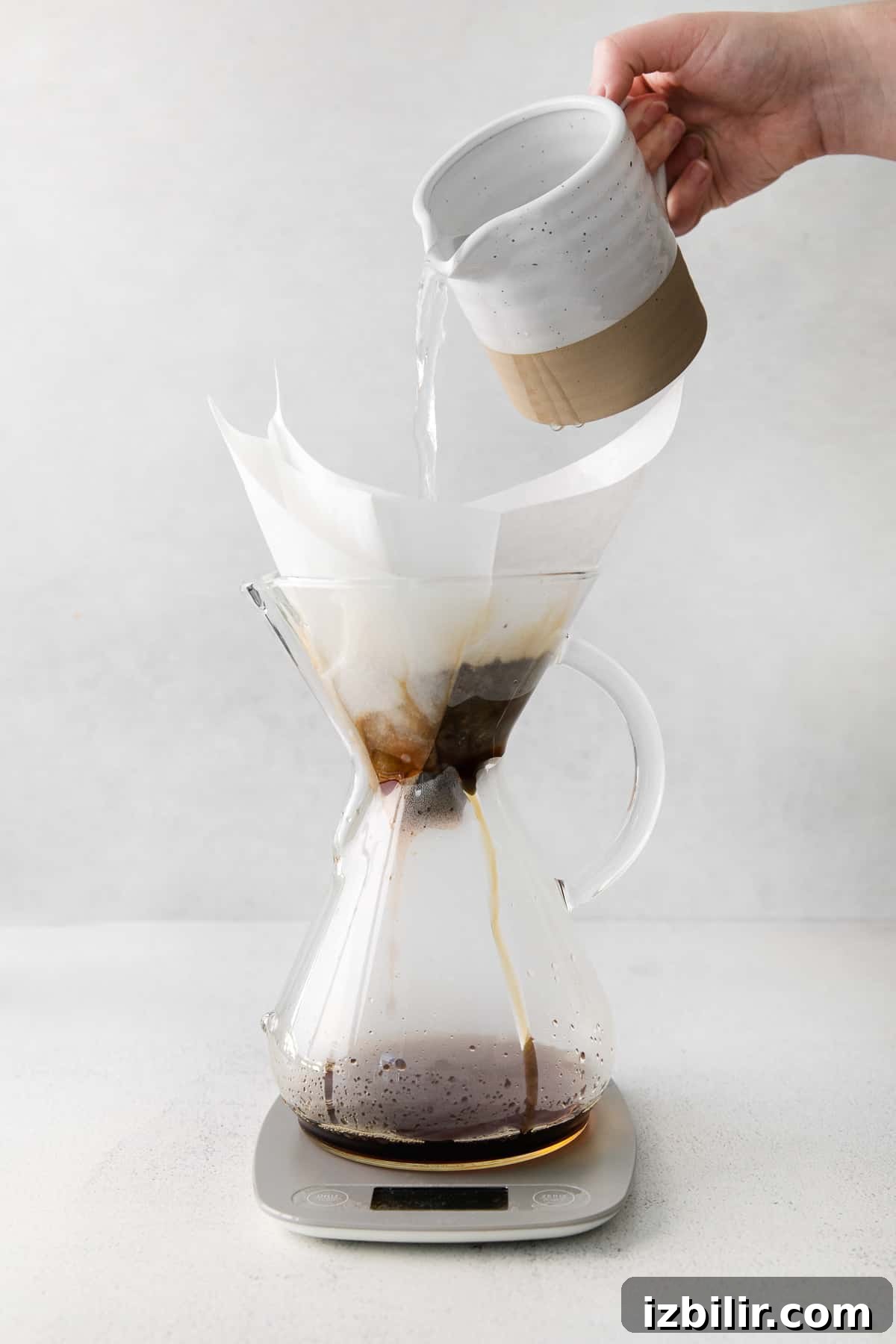
- Wet the filter: Rinse the paper filter with hot water to remove paper taste and preheat the Chemex; discard rinse water.
- Add grounds: Add coffee and level the bed of grounds.
- Bloom: Pour about 75 mL hot water in a slow spiral to saturate the grounds. Wait 30–60 seconds for the bloom.
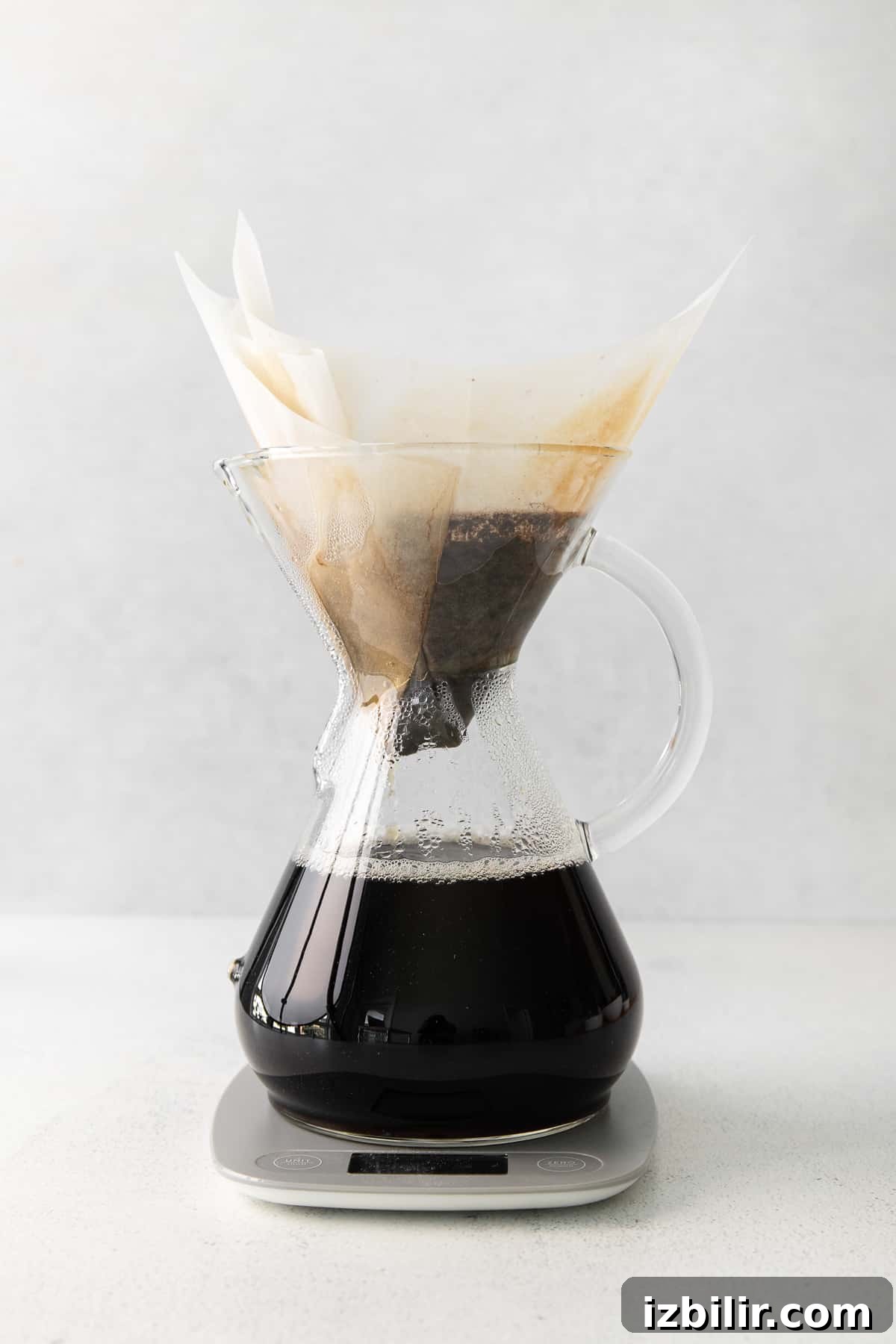
- Finish pouring: Continue pouring in slow spirals until you reach 600 mL total. Aim for a total brew time of about 3–4 minutes of pouring and 5–10 minutes total drain time.
How to make pour-over coffee (detailed recipe)
Ingredients
- 40 grams coffee beans
- 600 mL filtered water (plus about 50 mL to rinse the filter)
Equipment
- Chemex or other pour-over brewer
- Paper or reusable filter
- Grinder
- Digital scale
- Kettle
- Timer
Step-by-step instructions
- Measure and grind: Weigh 40 g of whole beans. Grind to a medium-coarse texture similar to panko breadcrumbs.
- Heat water: Heat filtered water to about 200ºF (just off the boil).
- Rinse the filter: Place the filter in the Chemex and pour roughly 50 mL of hot water through it to rinse away paper flavors and preheat the vessel. Discard the rinse water.
- Add coffee: Place the ground coffee in the filter and level the bed gently.
- Bloom: Tare the scale with the Chemex on it. Pour 75 mL of water in a slow spiral to saturate the grounds. Allow the coffee to bloom for about 30–60 seconds as CO2 escapes.
- Continue pouring: In slow, concentric circles, pour the remaining water until you reach 600 mL total. Try to maintain an even flow and keep the water level consistent without pouring directly on the filter wall.
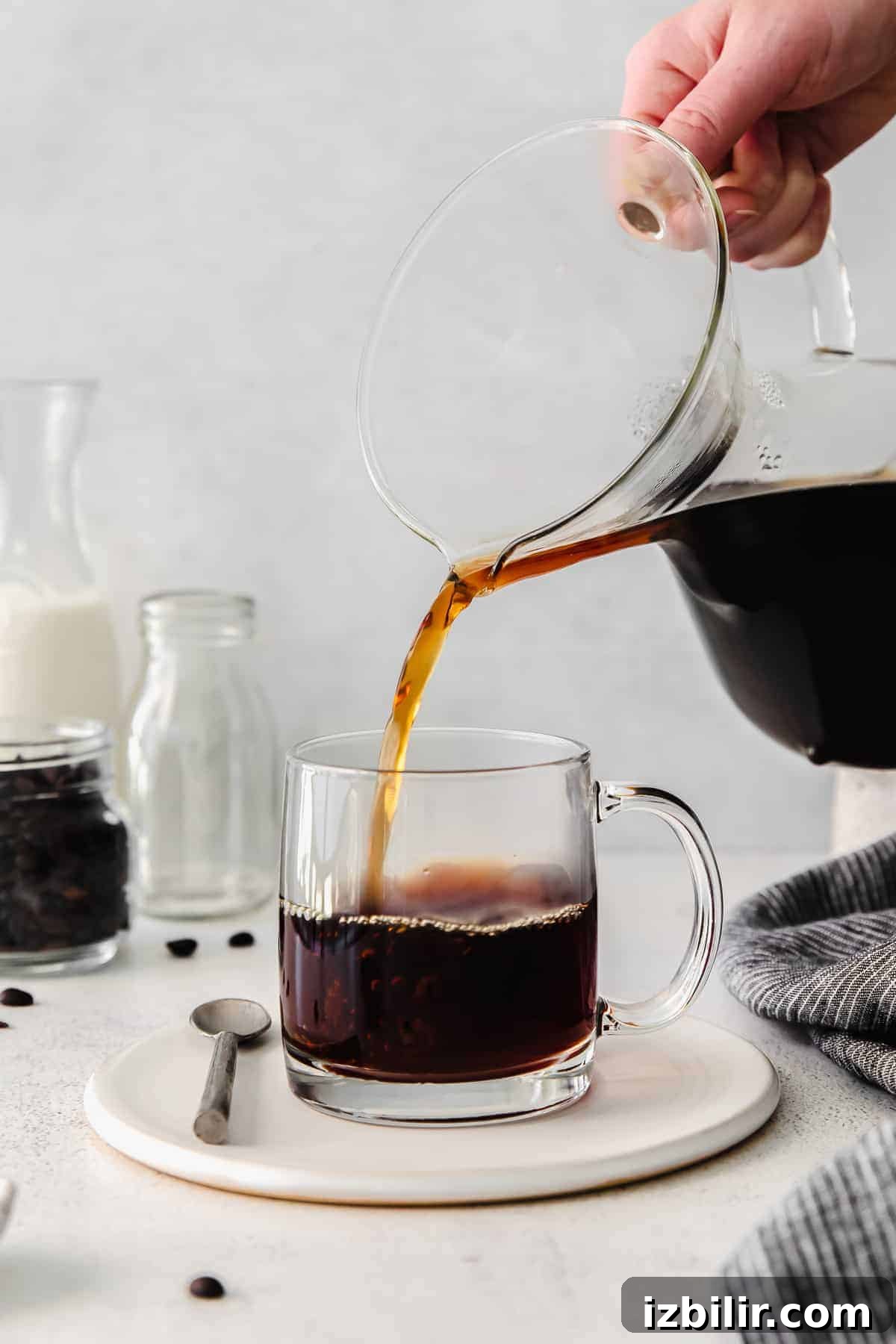
- Finish and serve: Allow the coffee to drain fully—total brew time should be about 5–10 minutes. Remove the filter, pour, and enjoy.
Tips and tricks
If the coffee is too weak
Try a finer grind, increase the amount of coffee slightly, or reduce the water in the ratio. Small adjustments make a noticeable difference.
If the coffee is too strong
Use a coarser grind or adjust the ratio toward 1:16 or 1:17 until you reach the desired balance.
Temperature matters
Target 195–205ºF for optimal extraction. If you boiled water on the stove, let it rest 30–60 seconds before pouring.
Bloom for better flavor
Blooming releases trapped CO2 from freshly roasted beans and helps ensure even extraction. Pour a small amount of water to wet all grounds and wait about one minute before continuing.
Paper filter or reusable filter?
Both are valid. Paper filters produce a cleaner cup by removing most oils; reusable metal or cloth filters allow more oils and body. Choose based on taste and sustainability preferences.
Notes & troubleshooting
- If your scale doesn’t show mL, water converts 1:1 to grams, so 600 mL = 600 g.
- Ideal total brew time is roughly 5–10 minutes. If extraction is too slow, use a coarser grind; if too fast, use a finer grind.
- Always taste and adjust: small changes in grind, ratio, or pour technique will help you dial in your perfect cup.
Nutrition
Brewed black coffee is virtually calorie-free. Typical values for a brewed cup are approximately 1 kcal and negligible macronutrients.